The Archaeology of Airwaves
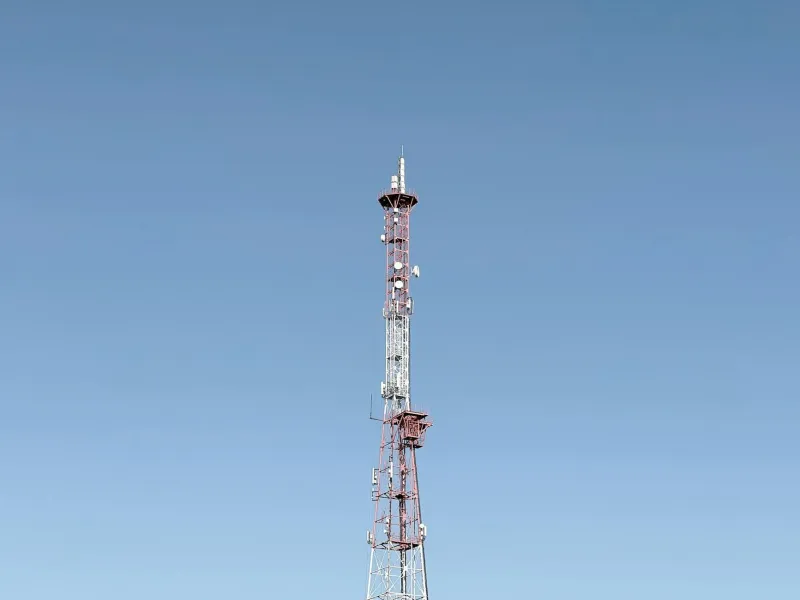
In a field outside Droitwich, a 700-foot transmission mast continues to broadcast to no one. Radio Caroline's pirate frequencies still crackle through North Sea static, decades after the ship was silenced. BBC Test Card F—that haunting image of a girl with a clown—flickers occasionally on analogue televisions that shouldn't be able to receive it. Britain's abandoned broadcast infrastructure has become an accidental art installation, a network of ghost signals that refuse to die.
 Photo: North Sea, via calendarena.com
 Photo: BBC Test Card F, via wallpapers.com
These phantom transmissions occupy the liminal space between technology and memory, functionality and obsolescence. They represent more than simple broadcasting archaeology—they've become fertile territory for artists, writers, and filmmakers drawn to their uncanny persistence and the existential questions they raise about communication, loss, and the fear of cultural silence.
The Persistence of Dead Media
What makes Britain's defunct broadcasting infrastructure so culturally resonant isn't just its technological obsolescence, but its stubborn refusal to disappear completely. Unlike other abandoned industrial heritage—closed mines, derelict factories, empty dockyards—broadcasting equipment often continues to emit weak signals, creating an eerie half-life that defies clean categorisation as either functional or defunct.
This persistence has captured artistic imagination in profound ways. Tacita Dean's film installations explore the melancholic beauty of obsolete transmission towers, whilst musicians like The Caretaker and Burial incorporate broadcast static and interference into compositions that evoke collective memory and cultural decay. Writers from J.G. Ballard to Mark Fisher have used abandoned media infrastructure as metaphors for broader social dissolution and the haunting presence of lost futures.
The aesthetic appeal of dead broadcasting technology lies partly in its visibility. Unlike the internet's invisible infrastructure, radio masts and television towers are monumental presences in the landscape—brutalist sculptures that once connected communities across vast distances but now stand as monuments to technological redundancy.
Spectral Frequencies and Cultural Anxiety
Britain's relationship with its broadcast ghosts reveals deeper anxieties about cultural continuity and collective identity. The transition from analogue to digital broadcasting—completed in 2012—created a generation of 'ghost frequencies' where nothing officially transmits but where sensitive equipment occasionally detects mysterious signals.
These phantom transmissions have inspired urban legends, conspiracy theories, and artistic projects that explore the psychological dimensions of communication breakdown. The Numbers Stations—mysterious shortwave broadcasts of coded messages that continued for decades after the Cold War's end—exemplify this uncanny persistence of signals beyond their apparent purpose.
Artists working with defunct broadcast technology often emphasise its memorial function. Christina Kubisch's electromagnetic installations reveal the invisible radio pollution that surrounds us, whilst Susan Philipsz's sound works transform abandoned spaces into acoustic monuments to lost communities. These projects suggest that dead frequencies serve as cultural graveyards—repositories of collective memory that continue to emit traces of their former social function.
The Romance of Technological Ruin
The artistic fascination with abandoned broadcasting infrastructure reflects broader cultural trends around 'ruin porn' and industrial heritage. But broadcast ruins operate differently from other forms of technological decay because they were always primarily about connection rather than production. Their abandonment represents not just economic failure but communicative breakdown—the severing of social bonds rather than simple industrial decline.
This distinction explains why defunct broadcasting equipment carries particular emotional weight. Television and radio were intimate technologies that entered homes and shaped daily rhythms. Their abandonment suggests not just technological obsolescence but the dissolution of shared cultural experiences that once bound communities together.
Photographers like Edward Burtynsky and Simon Norfolk have documented Britain's abandoned transmission infrastructure with the reverent attention usually reserved for ancient monuments. Their images emphasise the sculptural qualities of these structures whilst suggesting their archaeological significance as markers of a particular moment in technological and social history.
Digital Ghosts and Analogue Mourning
The transition to digital broadcasting created new categories of cultural loss. Analogue television's warm imperfections—the snow, static, and gradual signal degradation that created atmospheric viewing experiences—disappeared overnight, replaced by perfect digital reproduction or complete signal absence. This binary shift from imperfect presence to total absence eliminated the liminal space where ghost signals could persist.
Yet even digital infrastructure creates its own forms of spectral presence. Abandoned websites, defunct streaming services, and obsolete digital formats generate their own archaeology of loss. Artists like Zach Blas and Legacy Russell explore how digital abandonment creates new forms of haunting—data that persists without function, servers that continue running without purpose, algorithms that optimise for audiences that no longer exist.
The nostalgia for analogue broadcasting technology reflects broader anxieties about the pace of technological change and the disposability of digital culture. Unlike physical broadcast equipment—which decays slowly and visibly—digital infrastructure can disappear instantly and completely, leaving no romantic ruins for future archaeologists to discover.
The Politics of Silence
Britain's reluctance to fully decommission defunct broadcasting infrastructure reveals political dimensions beyond simple bureaucratic inefficiency. These phantom signals serve as insurance against cultural apocalypse—maintaining the technical capability to broadcast even when there's nothing official to transmit.
This precautionary preservation reflects deep-seated fears about communication breakdown and social collapse. The persistence of emergency broadcasting systems, the maintenance of redundant transmission networks, and the careful preservation of broadcasting heritage all suggest recognition that the ability to communicate across distances is too precious to abandon completely.
Pirate radio stations—both historical and contemporary—have exploited gaps in official broadcasting infrastructure to create alternative communication networks. These unofficial transmissions often occupy the same frequencies as abandoned official broadcasts, creating palimpsests of authorised and unauthorised communication that blur boundaries between legitimate and illegitimate cultural expression.
Towards a Spectral Media Theory
Britain's phantom broadcasting infrastructure demands new theoretical frameworks for understanding the relationship between technology, culture, and memory. Traditional media archaeology focuses on recovering lost technologies and forgotten cultural practices, but spectral media theory must grapple with technologies that refuse to stay properly dead.
These ghost signals suggest that media technologies possess their own forms of agency—continuing to operate beyond human intention, creating unexpected aesthetic effects, and generating new forms of cultural meaning through their persistence rather than their function. They challenge neat distinctions between past and present, functional and obsolete, intended and accidental cultural production.
The artists, writers, and musicians drawn to Britain's broadcast ghosts aren't simply romanticising technological decay—they're developing new languages for understanding how cultural memory persists in unexpected forms. Their work suggests that the most important transmissions might be the ones we never intended to send: the accidental broadcasts that reveal more about our cultural unconscious than any deliberately crafted message.
In an age of instant digital communication and algorithmic media distribution, these phantom frequencies remind us that some signals travel slowly, persist unexpectedly, and carry meanings that exceed their original purpose. They represent a form of cultural transmission that operates outside commercial logic and institutional control—a ghost network that continues broadcasting long after we've stopped listening.