The Power of Pause: How British Television Learned to Weaponise Silence
The Revolutionary Act of Stillness
In an era defined by the relentless velocity of digital content, British television has discovered something approaching revolutionary potential in the simple act of shutting up. Across genres from documentary to drama, from current affairs to comedy, broadcasters are deploying strategic silence as both aesthetic choice and political statement—a conscious rejection of the attention economy's demand for perpetual stimulation.
This is not the accidental dead air of technical failure, nor the comfortable pauses of polite conversation. What has emerged across British broadcasting is something more deliberate: the weaponised pause, deployed with surgical precision to create meaning that words alone cannot achieve. It represents a form of cultural resistance that speaks to deeper anxieties about how we consume information and whether genuine understanding requires the space that only silence can provide.
The Uncomfortable Documentary
Consider the recent evolution of British documentary filmmaking, where the unscripted pause has become a signature technique for extracting uncomfortable truths. In programmes ranging from BBC's investigative strands to Channel 4's social documentaries, directors have learned to let cameras roll long after conventional editing wisdom would suggest cutting away.
The technique reached particular prominence in Louis Theroux's recent work, where extended silences following probing questions have become as revealing as any verbal response. These moments—often lasting ten, twenty, even thirty seconds—create a space where subjects' discomfort becomes palpable, where the absence of immediate response speaks volumes about the complexity of the issues being explored.
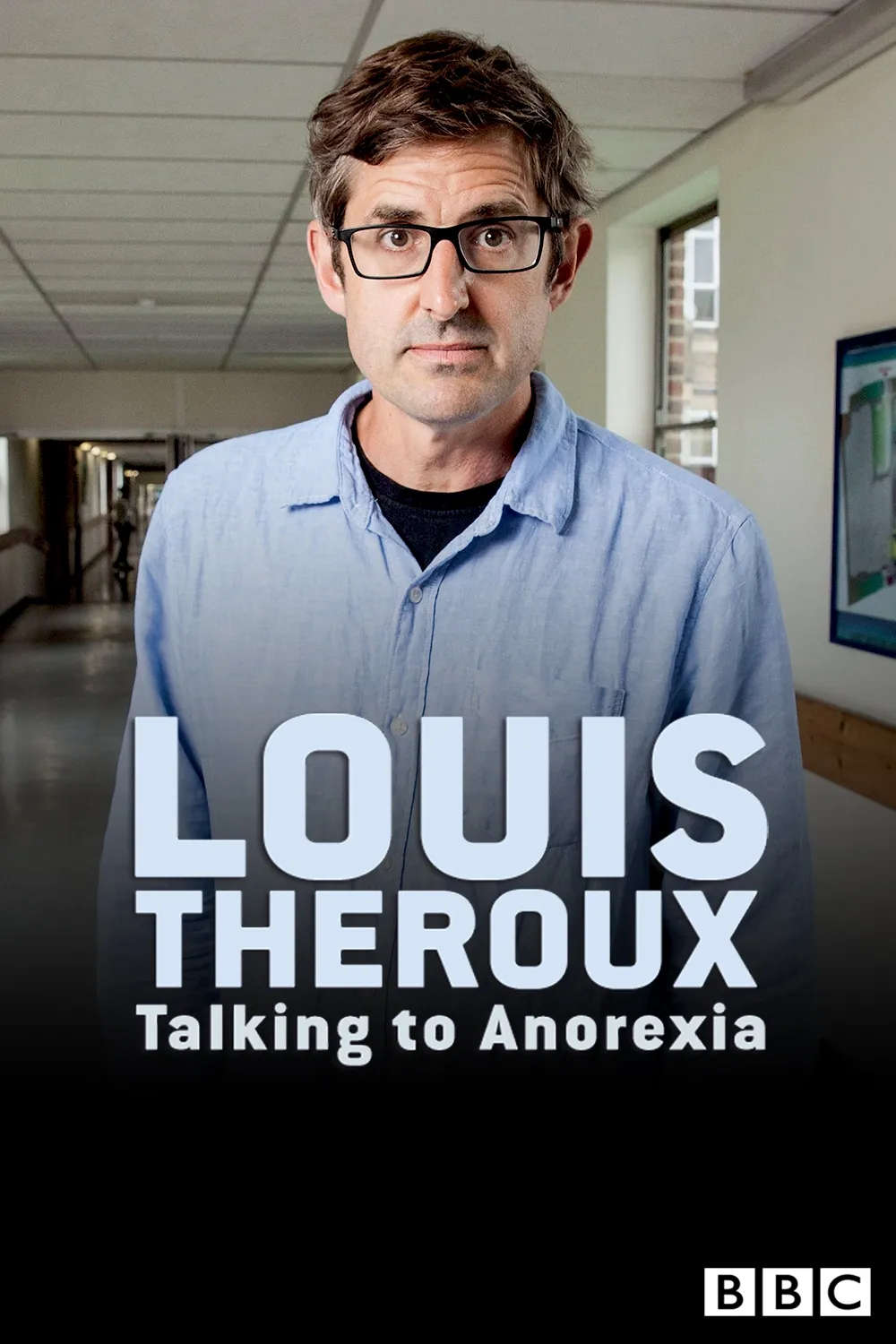 Photo: Louis Theroux, via streamcoimg-a.akamaihd.net
This approach represents a fundamental challenge to the rhythm of contemporary media consumption. Where international formats demand rapid-fire information delivery, British documentary makers have discovered that meaning often emerges in the spaces between words, in the visible process of thought formation, in the physical manifestation of moral conflict.
Dramatic Restraint
British drama has similarly embraced the radical potential of the unscripted pause, though here the technique serves different cultural functions. In programmes like BBC's "Line of Duty" or Channel 4's "This Is England" series, silence operates as a form of emotional archaeology, allowing viewers to excavate layers of meaning from characters' unexpressed responses.
These pauses function as acts of audience respect—acknowledgement that viewers possess sufficient emotional intelligence to interpret subtle cues without explicit explanation. The technique stands in stark contrast to the exposition-heavy approach of much international television, where every emotional beat must be verbalised and every plot development explicitly signposted.
The cultural specificity of this approach cannot be overstated. British audiences, raised on traditions of understatement and emotional restraint, possess particular fluency in reading the grammar of silence. What might register as dead air to international viewers becomes, in British hands, a sophisticated form of storytelling that assumes rather than explains emotional complexity.
The Political Pause
Perhaps most significantly, political broadcasting has discovered the interview pause as a form of democratic accountability. Programmes like BBC's "Newsnight" and Channel 4 News have increasingly allowed uncomfortable silences to develop when politicians deflect questions or offer evasive responses.
These moments serve multiple functions simultaneously: they expose the mechanics of political spin, create space for viewers to process the implications of what they've heard, and demonstrate journalistic integrity through the simple act of not filling silence with easier questions. The pause becomes a form of public service—a gift of time that allows democratic deliberation to occur.
Recent examples include Jeremy Paxman's legendary silences during political interviews, where the absence of follow-up questions created pressure that conventional interrogation techniques could not achieve. The technique has been adopted across British political broadcasting, creating a distinctive national style that prioritises substance over spectacle.
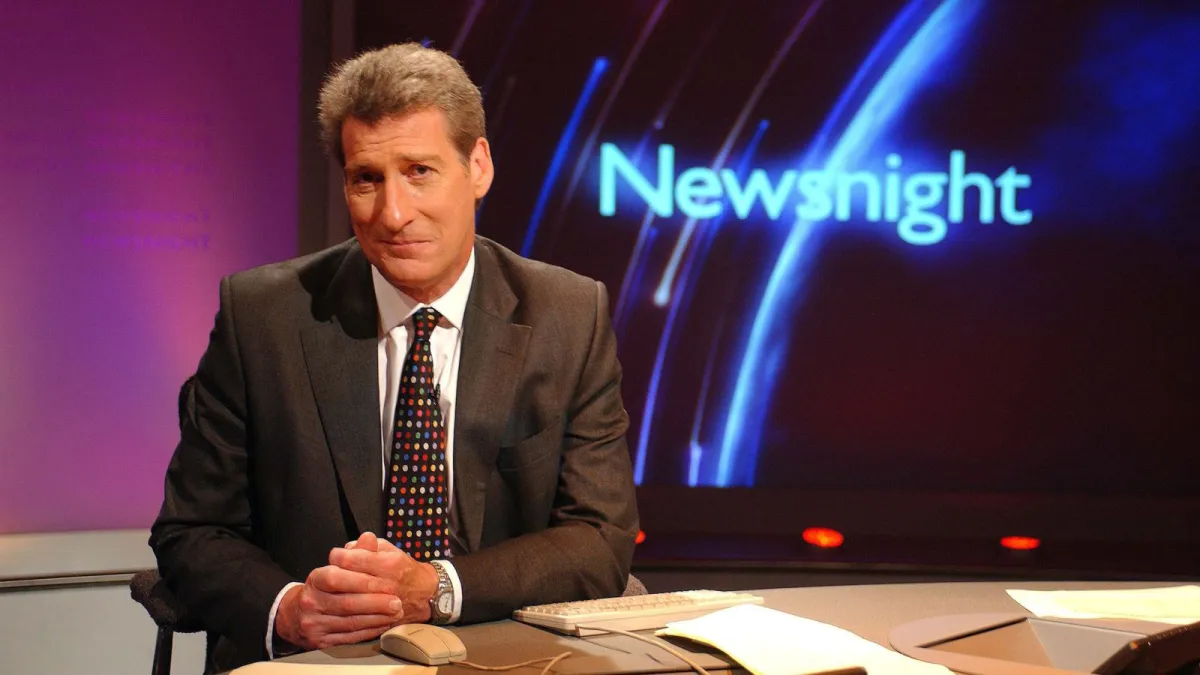 Photo: Jeremy Paxman, via e3.365dm.com
Streaming and the Global Market
The rise of streaming platforms has complicated this landscape, introducing global audience expectations that often conflict with British broadcasting traditions. Netflix and Amazon's algorithmic engagement metrics favour content that maintains constant stimulation, creating pressure for British producers to abandon techniques that might register as pacing problems in international markets.
Yet some British productions have successfully exported their commitment to strategic silence. "The Crown," "Sherlock," and "Black Mirror" have all maintained distinctively British approaches to pacing that include significant use of unscripted pauses, suggesting international appetite for alternative rhythms of storytelling.
This success has emboldened British broadcasters to defend their commitment to slower, more contemplative approaches to content creation. The BBC's recent charter renewal explicitly referenced the importance of programming that allows for reflection and deeper engagement, positioning silence as a form of public service broadcasting.
The Neuroscience of Attention
Emerging research on attention and media consumption has provided scientific validation for what British broadcasters discovered through cultural intuition. Studies suggest that strategic pauses in media content improve comprehension, increase emotional engagement, and enhance long-term retention of information.
These findings have particular relevance for British broadcasting's public service mandate. If the goal is genuine public education rather than mere entertainment, the strategic deployment of silence becomes not just aesthetically justified but democratically essential.
The implications extend beyond individual programmes to broader questions about media literacy and civic engagement. In a political environment characterised by information overload and declining attention spans, the pause becomes a form of resistance to the forces that undermine democratic deliberation.
Cultural Resistance
What emerges from this examination is a picture of British broadcasting as engaged in subtle but significant cultural resistance to global media trends. The commitment to strategic silence represents more than aesthetic choice—it embodies values of respect for audience intelligence, commitment to emotional complexity, and belief in the democratic importance of reflective engagement with information.
This resistance operates not through explicit political statement but through the accumulation of small formal choices that collectively assert alternative values. Each unscripted pause becomes a tiny act of rebellion against the attention economy's demand for perpetual stimulation.
The technique's success suggests appetite for media that treats audiences as capable of sophisticated emotional and intellectual engagement. In a global marketplace increasingly dominated by algorithmic content optimisation, British television's commitment to the strategic pause offers a model for how cultural specificity can become competitive advantage.
The silence speaks volumes about who we think we are and what we believe democratic media should accomplish.