Vocal Rebels: When Regional Voices Conquered Britain's Cultural Elite

The Sound of Authenticity
In the mahogany-panelled corridors of Broadcasting House, something revolutionary is happening. Where once the crystalline vowels of Received Pronunciation reigned supreme, today's cultural gatekeepers are increasingly speaking with the cadences of Salford, the rhythms of Glasgow, the distinctive lilt of Cardiff. This linguistic transformation represents far more than mere diversity—it signals a seismic shift in how Britain constructs and validates cultural authority.
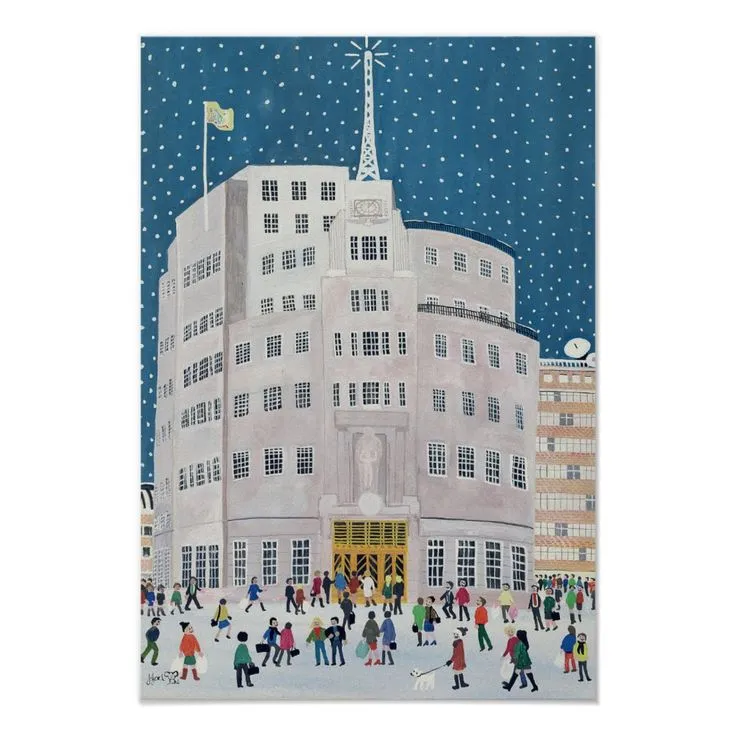 Photo: Broadcasting House, via i.pinimg.com
The phenomenon extends beyond broadcasting into literature, where publishers actively seek manuscripts that capture regional vernacular not as curiosity but as legitimate literary voice. Publishers' catalogues now celebrate authors whose prose carries the syntactic structures of their birthplaces, from the clipped precision of Yorkshire dialogue to the melodic flow of West Country speech patterns.
From Margin to Mainstream
This elevation of regional voices coincides with a broader cultural reckoning about whose stories deserve prominence. Where previous generations of writers felt compelled to shed their linguistic origins—think of the careful modulation that characterised post-war literary establishment figures—contemporary authors increasingly weaponise their accents as markers of authenticity.
The commercial implications are striking. Advertising agencies now specifically brief voice artists to deliver campaigns in regional accents, recognising that consumers respond to what they perceive as genuine rather than polished. The Yorkshire Tea advertisements, with their deliberately unvarnished northern delivery, represent a calculated rejection of metropolitan sophistication in favour of perceived honesty.
The Commodification Question
Yet this apparent democratisation raises uncomfortable questions about cultural appropriation and commodification. When London-based creative agencies deliberately deploy regional accents as shorthand for authenticity, are they celebrating diversity or exploiting it? The crossed lines between genuine representation and calculated marketing become particularly stark when examining how these voices are deployed.
Consider the literary landscape, where regional dialect has become a publishing category unto itself. The success of authors like Kerry Hudson or Kit de Waal—whose work explicitly foregrounds working-class regional experience—has created a market demand that risks reducing complex cultural identities to marketable linguistic markers.
 Photo: Kit de Waal, via alchetron.com
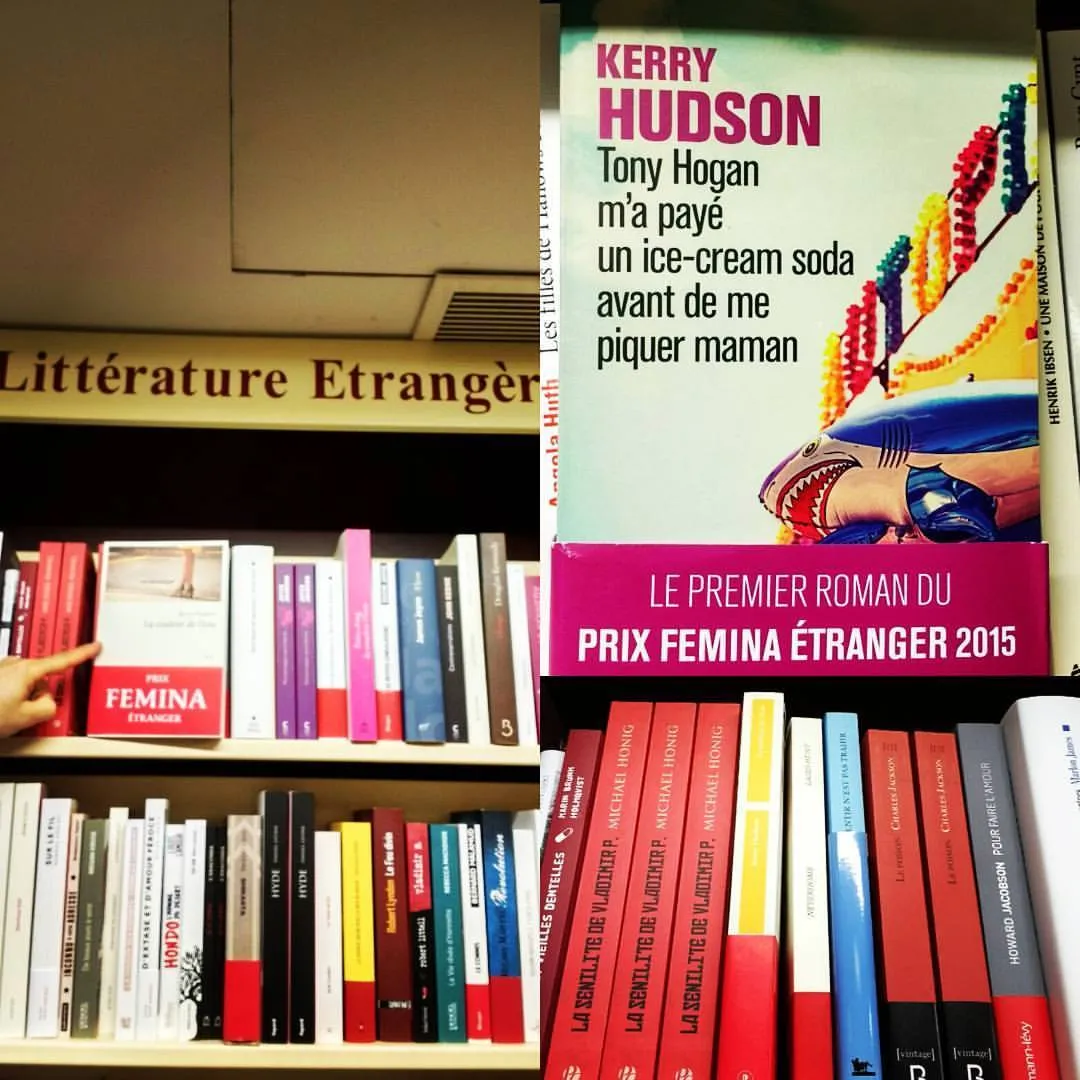 Photo: Kerry Hudson, via 64.media.tumblr.com
Power Structures Unchanged
The deeper question concerns whether this vocal revolution represents genuine democratisation or merely aesthetic diversification within unchanged power structures. While regional accents may now grace prestige dramas and literary prize shortlists, the institutional frameworks that determine cultural value remain concentrated in metropolitan centres.
This creates a peculiar dynamic where regional voices are celebrated as content while the apparatus of cultural production—publishing houses, broadcasting networks, arts funding bodies—remains geographically and socially concentrated. The result is a form of cultural ventriloquism, where metropolitan institutions speak through provincial voices while maintaining structural control.
The Literary Dimension
In contemporary British fiction, the treatment of regional speech has evolved from dialect curiosity to narrative necessity. Authors like Jonathan Coe or Sarah Hall deploy regional voices not as local colour but as essential elements of their artistic vision. This represents a fundamental shift from the tradition of regional writing as documentary realism towards something more complex and artistically ambitious.
The challenge lies in avoiding the trap of linguistic tourism—where regional voices become exotic destinations for metropolitan readers rather than legitimate perspectives on universal human experience. The most successful contemporary regional writing transcends its geographic specificity to achieve broader resonance while remaining rooted in particular linguistic traditions.
Cultural Implications
This vocal transformation reflects broader anxieties about national identity in an era of cultural fragmentation. As traditional markers of Britishness—class deference, institutional authority, shared cultural references—erode, regional accents offer alternative forms of authenticity and belonging.
The phenomenon also intersects with debates about cultural representation in higher education and the arts. Universities increasingly recognise that linguistic diversity enriches academic discourse, while cultural institutions grapple with the implications of their historically exclusive vocal traditions.
The Future of Voice
As Britain's cultural conversation becomes increasingly polyvocal, the challenge lies in ensuring that this represents genuine democratisation rather than superficial diversification. The crossed lines between celebration and exploitation, authenticity and performance, representation and appropriation require careful navigation.
The ultimate test of this vocal revolution will be whether it translates into meaningful shifts in cultural power or merely provides new packaging for existing hierarchies. As regional voices claim their place in Britain's cultural discourse, the question remains: are we witnessing the democratisation of cultural authority, or simply its most sophisticated disguise?