Tone Transmissions: How Sound Became Britain's New Literary Language
The Death of the Silent Page
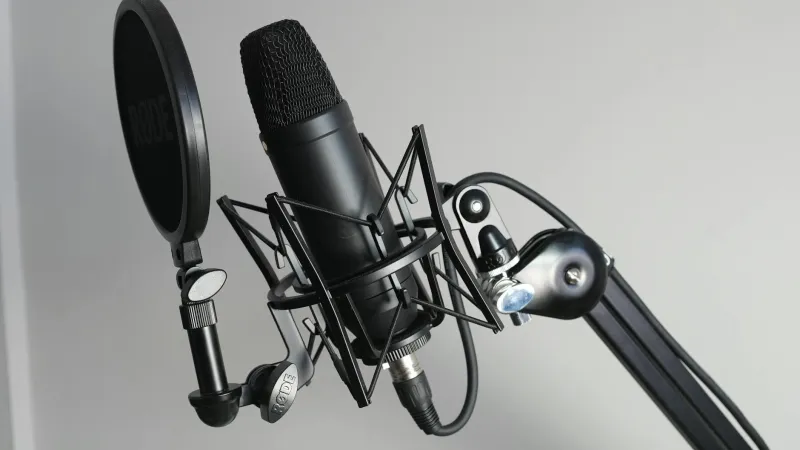
In a cramped studio above a Hackney coffee shop, poet Zara Mahmood speaks her latest collection into existence. No publisher, no printing press, no bookshop—just her voice, a microphone, and an audience of thousands who will never hold her words in physical form. This is the new reality of British literature: tone has become transmission, and the human voice has reclaimed its primacy over the printed word.
The phenomenon extends far beyond poetry podcasts. Established novelists like Ali Smith and Ocean Vuong are releasing 'sonic editions' of their work—not mere audiobooks, but compositions designed specifically for the ear, complete with ambient soundscapes and tonal variations that exist nowhere on the printed page. These aren't adaptations; they're original works that use sound as their primary literary medium.
The Politics of Audible Access
This shift represents more than aesthetic choice—it's a democratisation of literary consumption. While physical books remain expensive and often inaccessible, audio content can be consumed whilst commuting, working, or caring for others. For Britain's working classes, increasingly priced out of traditional literary culture, these tone transmissions offer entry points that the publishing industry's gatekeeping mechanisms have long denied.
The implications run deeper still. Regional accents, long marginalised in print culture, suddenly become assets rather than obstacles. A Glaswegian poet no longer needs to translate their work into received pronunciation for southern publishers; their authentic voice becomes part of the art itself. Birmingham's spoken word scene, Yorkshire's dialect poets, and Welsh-language experimental artists are finding audiences that transcend geographical boundaries whilst maintaining cultural specificity.
The Technology of Intimacy
What makes these transmissions particularly potent is their manufactured intimacy. Unlike the distant relationship between reader and text, audio content creates the illusion of personal communication. Writers speak directly into listeners' ears, creating parasocial relationships that traditional literature cannot match. This intimacy becomes a political tool—marginalised voices can bypass institutional filters and speak directly to their communities.
The BBC, recognising this shift, has quietly revolutionised its literary programming. Radio 4's 'Sound Stories' initiative commissions works that exist only in audio form, whilst BBC Sounds has become an unexpected platform for experimental literature. These aren't radio plays—they're novels designed for transmission, stories that use silence, static, and ambient noise as narrative devices.
The Resistance of Print Culture
Yet this transformation hasn't occurred without resistance. Traditional publishers dismiss audio-first literature as 'performance' rather than 'writing', maintaining hierarchies that privilege the visual over the auditory. Literary festivals still centre around readings—writers performing their printed work rather than creating content for the medium they're using.
This resistance reveals deeper anxieties about cultural authority. Print culture has long been associated with education, permanence, and class distinction. A book on a shelf signals cultural capital in ways that a Spotify playlist cannot. The rise of tone transmissions threatens these established markers, suggesting that literary value might exist independently of institutional validation.
The Streaming Revolution
Platforms like Audible, initially conceived as repositories for traditional audiobooks, have become laboratories for literary experimentation. British writers are creating serialised audio novels that unfold over months, interactive stories that respond to listener feedback, and collaborative works that blur the boundaries between author and audience.
Meanwhile, TikTok has birthed a generation of micro-poets whose work exists only in fifteen-second bursts. These aren't abbreviated versions of longer works—they're complete literary objects designed for their medium. The constraint of time becomes an aesthetic choice, forcing writers to achieve maximum impact with minimal duration.
Cultural Implications
This shift towards tone transmission reflects broader changes in how Britain consumes culture. The same forces that transformed music from physical albums to streaming playlists are now reshaping literature. Attention spans fragment, consumption habits change, and cultural authority disperses across new platforms and voices.
For established writers, this presents both opportunity and threat. Those who adapt to audio-first creation find new audiences and revenue streams. Those who resist risk irrelevance as literary culture moves beyond their reach. The question isn't whether this transformation will continue—it's whether traditional literary institutions will adapt or be bypassed entirely.
The Future of Literary Transmission
As artificial intelligence begins generating human-like speech, the boundaries between written and spoken literature will blur further. Writers might compose directly in audio, using AI voices to test different tonal approaches before settling on final versions. The concept of a 'finished' text becomes fluid when every playback can incorporate real-time modifications.
This technological evolution coincides with broader questions about cultural preservation and access. If literature increasingly exists in audio form, how do we archive it? How do we ensure equal access across different communities? These aren't merely technical questions—they're fundamental concerns about who gets to participate in Britain's literary future.
The transformation from page to airwave represents more than technological change—it's a reimagining of literature's social function. In an era of increasing isolation and digital mediation, tone transmissions offer the illusion of human connection whilst maintaining the intellectual depth that distinguishes literature from mere entertainment. Whether this represents evolution or degradation depends largely on who's listening—and who gets to speak.