The Spectacle of Giving: How Charity Galas Became Britain's Cultural Currency
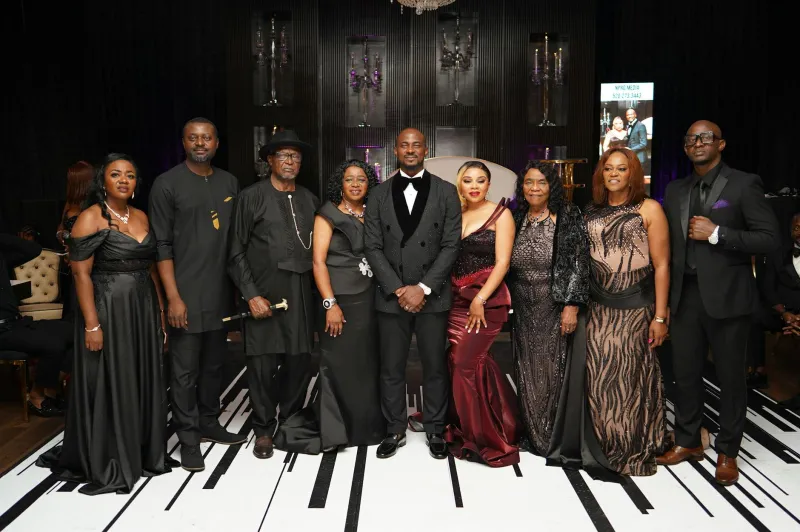
The Spectacle of Giving: How Charity Galas Became Britain's Cultural Currency
Every autumn, as London's cultural calendar reaches its crescendo, a peculiar ritual unfolds across the capital's most prestigious arts institutions. In the marble halls of the Royal Academy, beneath the soaring ceilings of the British Museum, within the modernist galleries of the Tate, Britain's wealthy elite gather not primarily to engage with art, but to perform the act of caring about it.
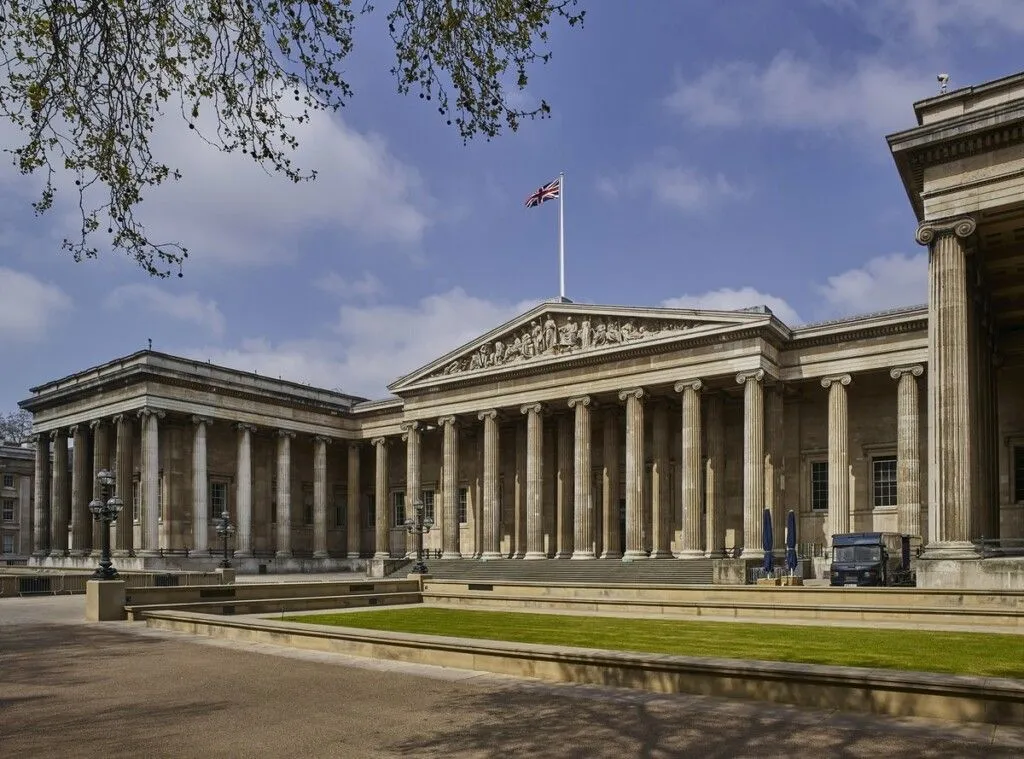 Photo: British Museum, via blooloop.com
The charity gala has become the dominant funding mechanism for British arts institutions, transforming cultural patronage from quiet, sustained support into theatrical displays of benevolence. This shift represents more than mere fundraising strategy—it signals a fundamental change in who controls Britain's cultural narrative and how that control is exercised.
The Theatre of Benevolence
At first glance, these events appear to celebrate art. Guests move through galleries transformed by strategic lighting and floral arrangements, champagne glasses in hand, ostensibly there to support the institution's mission. Yet the art itself often becomes mere backdrop to the real performance: the elaborate choreography of wealth displaying its virtue.
The evening's structure is carefully calibrated. A brief tour of the exhibition provides cultural legitimacy, followed by dinner where the real business unfolds. Auction lots are strategically positioned—not too expensive to embarrass modest donors, but sufficiently costly to allow serious players to demonstrate their commitment. The art being celebrated becomes secondary to the spectacle of its celebration.
This transformation of cultural support into social performance has profound implications for how Britain's arts institutions operate. When funding depends on the entertainment value of giving rather than sustained commitment to artistic vision, institutional priorities inevitably shift to accommodate donor expectations.
The Gatekeepers in Evening Dress
Perhaps most troubling is how this model concentrates cultural power in the hands of those wealthy enough to attend such events. These aren't merely donors; they're cultural gatekeepers whose preferences shape programming decisions, acquisition policies, and artistic direction. Their influence operates through both direct pressure and institutional anticipation of their responses.
Consider how exhibition planning now must account for 'gala-ability'—whether a show can generate sufficient excitement among potential donors to justify the investment in a fundraising event. Challenging, politically engaged, or aesthetically difficult work struggles to compete with crowd-pleasing spectacles that photograph well for social media and make comfortable conversation over dinner.
This dynamic creates a feedback loop where arts institutions increasingly programme to donor tastes, which in turn reinforces those tastes as culturally legitimate. The result is a narrowing of artistic possibility, where radical or challenging work becomes financially untenable not because audiences reject it, but because it doesn't serve the social needs of fundraising events.
The Professionalisation of Gratitude
The gala circuit has spawned an entire industry dedicated to manufacturing gratitude. Professional fundraisers, event planners, and donor relations specialists work year-round to maintain the relationships that generate these spectacular displays of giving. Their expertise lies not in artistic knowledge but in understanding the social and psychological needs that drive philanthropic display.
This professionalisation has transformed the relationship between arts institutions and their supporters. What was once based on genuine passion for specific artistic missions has become a transactional relationship mediated by professional gratitude managers. Donors are courted with the same techniques used to manage celebrity relationships, complete with careful attention to recognition, access, and social status.
The result is that Britain's most important cultural institutions increasingly operate like luxury brands, with donor cultivation resembling customer relationship management more than genuine cultural engagement. The art becomes a product, the institution a service provider, and the donor a client whose satisfaction determines institutional success.
The Invisible Majority
Whilst gala guests congratulate themselves on supporting the arts, their exclusive access to cultural institutions creates new forms of exclusion. The same galleries that host private dinners for donors remain financially inaccessible to many working-class families, despite public funding that theoretically makes them public institutions.
This contradiction reveals the fundamental tension in contemporary arts funding. Institutions depend on public money for basic operations whilst requiring private wealth for ambitious programming. The result is cultural spaces that claim public mission whilst operating according to private preferences.
Moreover, the emphasis on gala fundraising diverts institutional energy and resources from developing broader public engagement. Staff time spent cultivating wealthy donors is time not spent on education programmes, community outreach, or accessible programming that might genuinely democratise cultural access.
The Politics of Cultural Capital
The charity gala model also obscures the political dimensions of cultural patronage. When wealthy individuals and corporations provide significant funding for arts institutions, they inevitably influence the cultural conversation in ways that reflect their interests and perspectives.
This influence operates subtly—not through crude censorship but through the gradual alignment of institutional priorities with donor preferences. Exhibitions that might challenge corporate power, explore economic inequality, or critique the very systems that generate philanthropic wealth become increasingly unlikely.
The irony is profound: institutions dedicated to artistic freedom and critical thinking become dependent on the largesse of those who benefit most from maintaining existing power structures. The result is a cultural landscape that appears diverse and challenging whilst actually reinforcing dominant ideologies through careful omission and emphasis.
Alternative Futures
Some institutions have begun experimenting with alternative funding models that prioritise broader public engagement over elite donor cultivation. The V&A's late-night events, Tate Modern's community programmes, and regional galleries' emphasis on local partnerships suggest possibilities for more democratic approaches to cultural support.
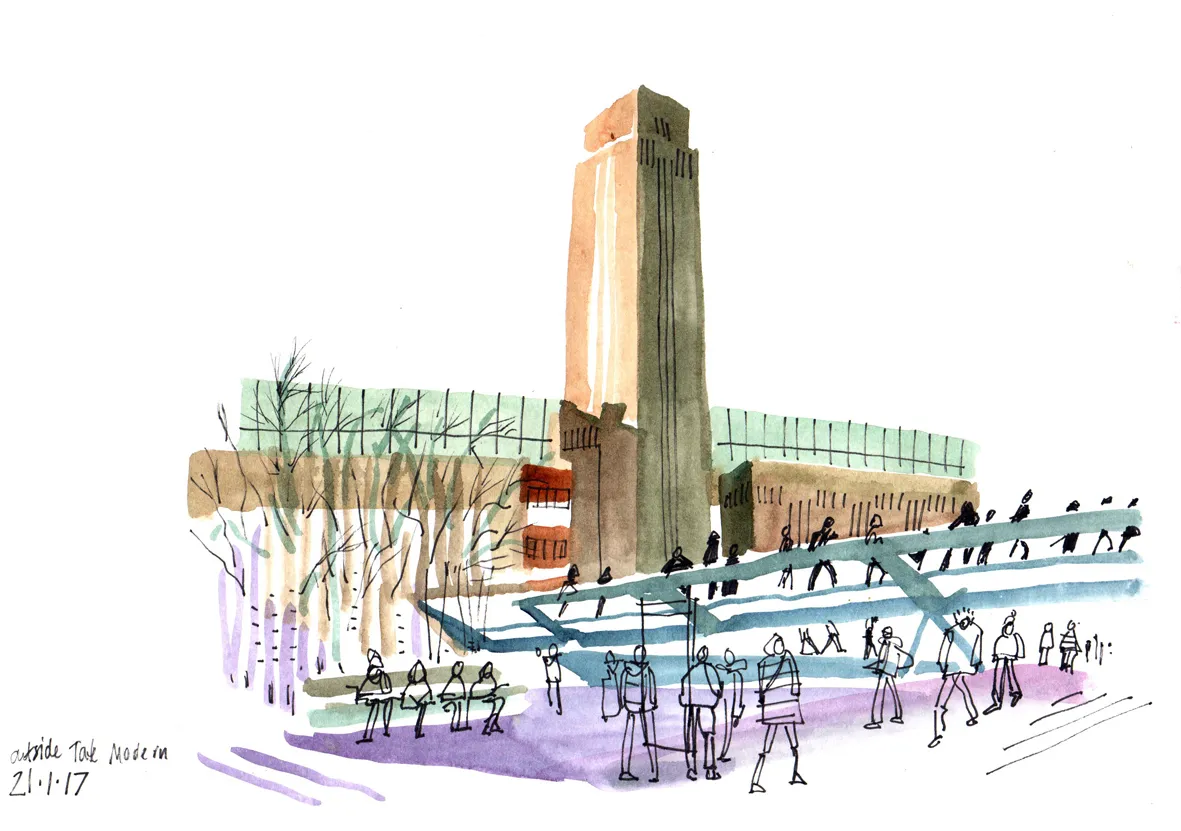 Photo: Tate Modern, via 1.bp.blogspot.com
These experiments recognise that sustainable arts funding requires genuine public investment—not just financial but emotional and intellectual. When cultural institutions serve broader communities rather than narrow donor bases, they generate the public support necessary for increased state funding and more equitable access.
The True Cost of Glamour
The charity gala represents more than a funding mechanism; it embodies a particular vision of culture's role in society. This vision treats art as luxury commodity rather than essential public good, cultural engagement as elite privilege rather than democratic right, and artistic value as determined by market success rather than social impact.
Whilst these events generate necessary funds for important cultural work, they also reinforce the very inequalities that make such private funding necessary. The spectacle of giving becomes a substitute for genuine cultural democracy, allowing donors to feel virtuous whilst maintaining systems that exclude the majority from meaningful cultural participation.
As Britain's arts institutions navigate increasingly challenging financial circumstances, the temptation to embrace this model will only grow. Yet the long-term costs—in artistic integrity, public access, and cultural democracy—may far exceed the short-term financial benefits.
The question isn't whether wealthy individuals should support the arts, but whether that support should come with the cultural power to shape artistic direction. Until we develop funding models that prioritise artistic vision over donor satisfaction, Britain's cultural institutions will remain hostage to the social needs of those wealthy enough to attend charity galas.