Pages of Sorrow: Britain's Literary Embrace of Public Mourning
Pages of Sorrow: Britain's Literary Embrace of Public Mourning
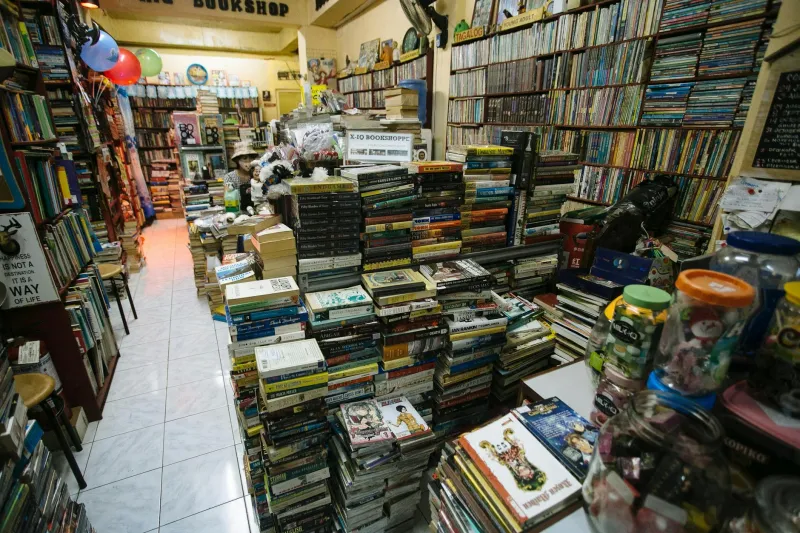
Walk into any Waterstones today and you'll find them: the gleaming spines of grief, arranged with almost unseemly precision on tables marked 'Memoir' or 'Life Writing'. From H is for Hawk to The Year of Magical Thinking, Britain has developed an insatiable appetite for other people's bereavement, transforming private anguish into public consumption with a thoroughness that would have appalled previous generations.
This literary phenomenon represents more than mere publishing trend. It signals a fundamental shift in how Britain processes collective trauma, moving from the stoic silence that once defined national character towards a culture of therapeutic disclosure that feels both liberating and deeply troubling.
The Architecture of Acceptable Grief
The contemporary British grief memoir follows remarkably consistent patterns. There's the sudden, devastating loss—usually a spouse, child, or parent. The narrator's initial numbness gives way to raw honesty about the brutality of bereavement. Then comes the slow, literary reconstruction of meaning, often through engagement with nature, art, or travel. The formula is as recognisable as a detective novel, yet infinitely more personal.
Joan Didion's The Year of Magical Thinking didn't simply influence British writers; it provided them with a template for transforming private devastation into public art. Her clinical, almost forensic approach to documenting widowhood offered a model that combined emotional authenticity with literary sophistication—a combination that British publishers quickly recognised as commercially viable.
 Photo: Joan Didion, via www.washingtonpost.com
But this template raises uncomfortable questions about whose grief gets to be literary. The memoirs that dominate our shelves are overwhelmingly written by middle-class, educated authors with existing platforms or connections. They possess not just the emotional vocabulary to articulate their loss, but the cultural capital to transform it into publishable material.
The Performance of Pain
There's something distinctly British about how we've embraced this genre. We've taken the American therapeutic tradition of public confession and filtered it through our own cultural sensibilities, creating a form of emotional exhibition that maintains just enough literary distance to feel respectable. These aren't self-help books or raw confessionals—they're literature, with all the cultural prestige that implies.
This literary framing allows British readers to engage with intense emotion whilst maintaining a comfortable critical distance. We can appreciate the craft, analyse the metaphors, discuss the structure—all whilst consuming someone else's most vulnerable moments. It's voyeurism disguised as cultural sophistication.
The success of authors like Helen MacDonald, whose H is for Hawk transformed her father's death into a meditation on falconry and wildness, demonstrates how British grief literature has evolved beyond simple documentation. These works function as hybrid texts, combining personal testimony with broader cultural commentary, natural history, or philosophical reflection.
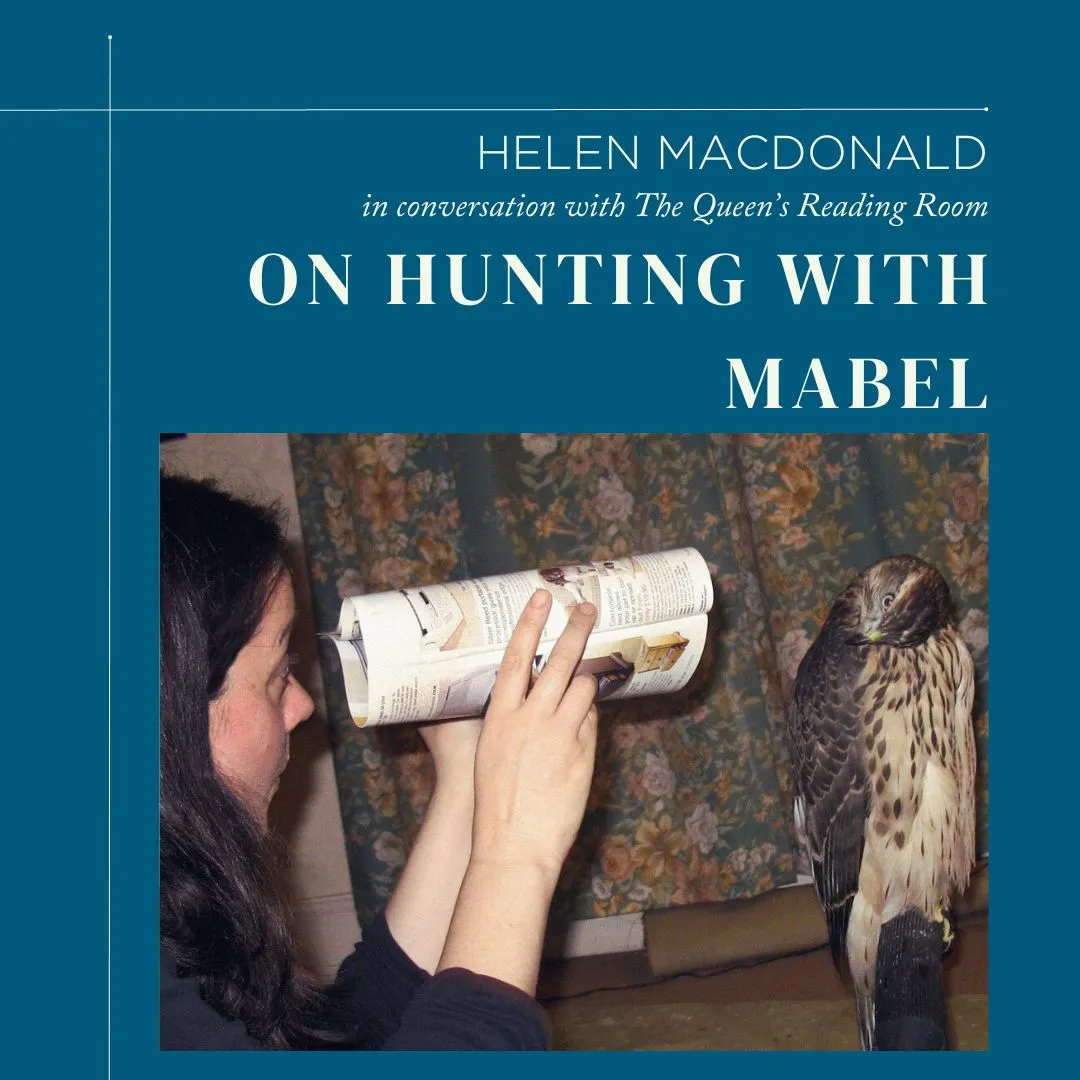 Photo: Helen MacDonald, via thequeensreadingroom.co.uk
The Economics of Anguish
The commercial success of grief memoirs reveals something troubling about contemporary publishing. Loss has become a marketable commodity, with publishers actively seeking out tragic stories that can be packaged for public consumption. The more devastating the circumstances, the more compelling the narrative potential.
This commodification creates perverse incentives. Writers are encouraged to mine their trauma for material, to transform their most painful experiences into content that can be marketed, reviewed, and sold. The boundary between processing grief and performing it becomes increasingly blurred.
Moreover, the success of these memoirs has created a hierarchy of suffering. Certain types of loss—particularly those involving articulate, sympathetic narrators dealing with socially acceptable forms of tragedy—receive literary attention and commercial success. Other forms of grief, particularly those experienced by working-class communities or marginalised groups, remain largely invisible in this literary landscape.
The Privilege of Publication
Perhaps most troubling is how this genre reflects broader inequalities in whose voices get heard. The grief memoirs that achieve commercial success are almost exclusively written by authors with existing cultural privilege. They possess not just the emotional resources to transform their experience into literature, but the social networks and cultural knowledge necessary to navigate the publishing industry.
Meanwhile, the grief experienced by those without such advantages—the mothers in tower blocks mourning children lost to knife crime, the elderly widowers in former mining communities, the asylum seekers grieving family members left behind—rarely finds literary expression, let alone commercial success.
This selective amplification of certain types of grief whilst others remain silenced reflects broader patterns of whose experiences British culture deems worthy of attention. We've created a literary form that appears to celebrate emotional openness whilst actually reinforcing existing hierarchies of whose emotions matter.
Beyond the Bestseller Lists
The dominance of grief memoirs also reflects a broader cultural anxiety about how to process collective trauma in an increasingly fragmented society. Traditional institutions that once provided frameworks for understanding loss—the church, extended family, stable communities—have weakened, leaving individuals to construct their own meaning from devastating experiences.
Literature has stepped into this void, offering both writers and readers a secular framework for understanding suffering. But this literary approach to grief, whilst providing comfort and connection, also risks turning profound human experiences into consumable content.
The question isn't whether people should write about their losses—such expression can be genuinely therapeutic and artistically valuable. Rather, we must interrogate what it means when grief becomes a literary genre, complete with commercial expectations and market pressures.
The Limits of Literary Grief
As Britain continues to navigate collective traumas—from the pandemic's toll to economic uncertainty—the popularity of grief memoirs reveals both our hunger for authentic emotional expression and our discomfort with processing such feelings collectively. We'd rather read about someone else's expertly crafted anguish than confront our own messy, unliterary losses.
This literary embrace of grief, whilst appearing to represent emotional progress, might actually reflect a new form of emotional avoidance. By consuming others' processed, polished pain, we maintain the illusion of emotional engagement whilst avoiding the harder work of creating genuine communities of support and understanding.
The grief shelf in Waterstones offers us the comfort of shared suffering without the complexity of shared responsibility. It's a peculiarly British solution to the problem of collective mourning—individual, literary, and safely commodified.