Literary Archaeology: What Britain's Charity Shop Shelves Tell Us About Our Collective Unconscious
The Accidental Curators
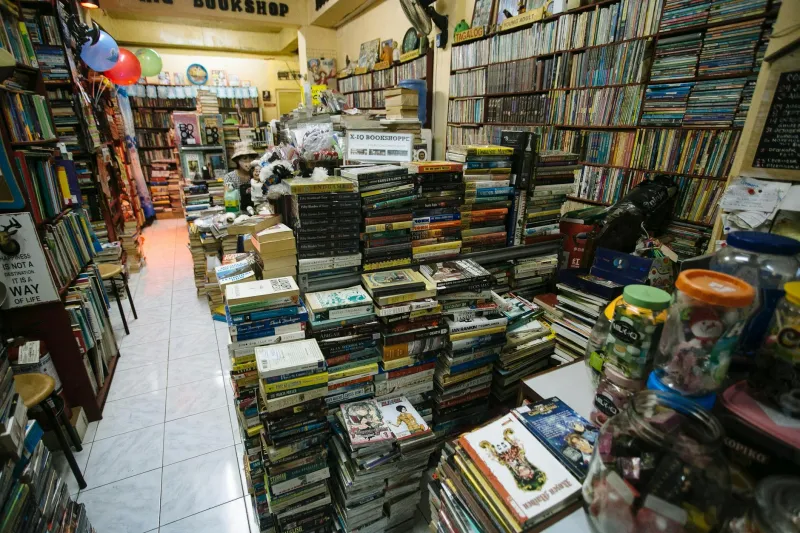
Walk into any Oxfam or British Heart Foundation shop across Britain, and you'll encounter an unintentional museum of literary taste. The charity shop paperback section operates as a peculiar form of cultural archaeology, where the sedimentary layers of donated books reveal the intellectual preoccupations of each passing decade. Unlike traditional archives, curated with scholarly intent, these shelves present an unfiltered cross-section of what British readers actually bought, read, and ultimately decided they could live without.
The phenomenon speaks to something deeper than mere literary recycling. These shops function as inadvertent repositories where the gap between aspiration and reality becomes visible. The pristine copy of Ulysses sits alongside dog-eared self-help manuals, whilst academic tomes on postcolonial theory gather dust next to celebrity memoirs. Each donation represents a small surrender—a book that once promised transformation, enlightenment, or escape, now deemed surplus to requirements.
The Taxonomy of Abandonment
Certain genres appear with predictable regularity, forming a taxonomy of cultural abandonment that reveals Britain's collective relationship with knowledge and betterment. The self-help section tells perhaps the most poignant story: waves of donated copies tracking our evolving anxieties. The 1990s brought forth Men Are from Mars, Women Are from Venus, now replaced by mindfulness guides and productivity manifestos. Each surge represents a moment when Britain collectively believed in a particular solution, only to move on when the promised transformation failed to materialise.
Book club selections form another fascinating category. The charity shops of middle England are littered with copies of novels that once dominated reading group discussions—The Kite Runner, Life of Pi, The Time Traveler's Wife—books that served their social function before being quietly retired. Their presence suggests something profound about how literary culture operates in contemporary Britain: not as permanent acquisition but as temporary engagement, books consumed for their currency rather than their lasting value.
Cultural Sediment and Social Class
The geographic distribution of these literary deposits reveals Britain's cultural stratification with uncomfortable clarity. Charity shops in affluent areas overflow with academic texts, foreign literature in translation, and artfully designed paperbacks from independent publishers. Meanwhile, shops in working-class neighbourhoods receive different donations entirely—practical manuals, popular fiction, and educational books that speak to different aspirations and constraints.
This distribution pattern exposes the uncomfortable reality that cultural capital follows economic capital. The books that middle-class donors discard as intellectual clutter become treasures for those operating within tighter financial constraints. The charity shop thus functions as a form of cultural trickle-down economics, where yesterday's bourgeois reading matter becomes tomorrow's accessible literature.
The Lifecycle of Ideas
What emerges from this accidental archive is a clear picture of how ideas circulate and decay within British culture. Books arrive in waves, reflecting publishing trends and media attention cycles. The current glut of books about productivity and digital wellness will undoubtedly join previous generations of discarded solutions. This pattern suggests that British readers engage with ideas not as permanent philosophical commitments but as temporary tools for navigating contemporary challenges.
The charity shop paperback section thus becomes a monument to intellectual impermanence. It documents our collective tendency to seek external solutions to internal problems, to believe that the right book might provide the key to transformation, only to discover that change requires more than consumption.
The Democracy of Discard
Yet there's something democratically hopeful about this system. The charity shop creates a space where literary hierarchies collapse, where Booker Prize winners sit alongside airport thrillers without editorial judgment. This flattening of cultural value might horrify literary purists, but it reflects a more inclusive approach to reading culture—one where pleasure, utility, and intellectual curiosity carry equal weight.
The regular customer of charity shop book sections develops a different relationship with literature entirely. Without the pressure of investment or the burden of permanent ownership, they're free to experiment, to pick up books they might never have risked buying new. This creates possibilities for unexpected encounters, for literary serendipity that the algorithm-driven recommendations of online retailers cannot replicate.
The Future Archive
As digital reading continues to expand, the charity shop paperback section may represent the final flowering of a particular form of cultural memory. Physical books carry traces of their previous lives—margin notes, receipts used as bookmarks, inscriptions that reveal the hopes attached to their original purchase. These traces create a human dimension to literary culture that digital formats cannot replicate.
The charity shop thus preserves not just books but the social history of reading itself. Future cultural historians will find in these accidentally assembled collections a record of what British readers actually engaged with, rather than what critics claimed they should read. In this sense, the humble charity shop has become Britain's most honest literary archive—one that documents not our cultural pretensions but our genuine intellectual appetites and anxieties.
In the end, these donated paperbacks tell us something essential about the relationship between culture and community in contemporary Britain. They reveal how we use books not just as entertainment or education, but as tools for processing change, for imagining different versions of ourselves, and ultimately, for participating in the ongoing conversation about what it means to be human in an uncertain world.