Gentle Revolutions: How Cosiness Became Britain's Stealth Cultural Weapon
The Trojan Sponge
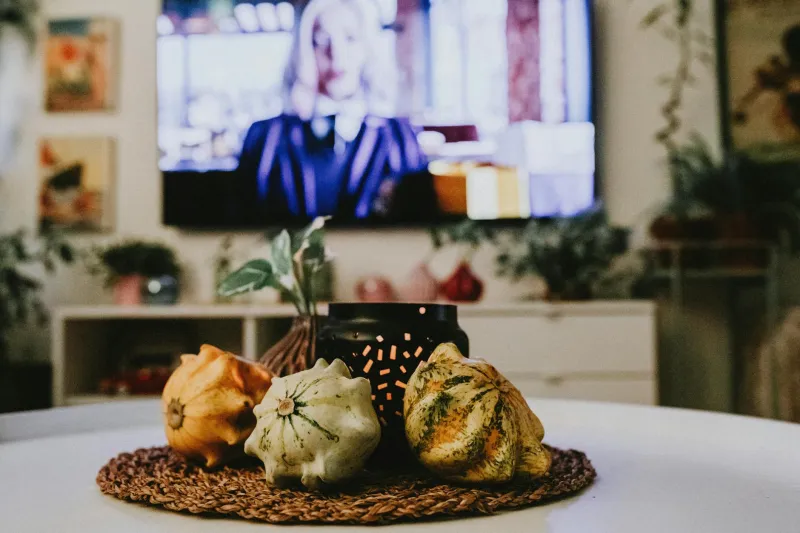
Something remarkable happened during the pandemic lockdowns: Britain's most challenging cultural conversations began taking place in the least likely venues. Whilst political discourse grew increasingly polarised, programmes about pottery, baking, and antique hunting quietly became spaces where complex questions about race, class, and national identity could be explored without triggering the usual defensive responses.
This wasn't accidental. The aesthetic of cosiness—warm lighting, gentle presenters, the promise of resolution rather than conflict—creates what cultural theorists might recognise as a liminal space where audiences lower their guard. Within this protected environment, ideas that would provoke immediate resistance in more confrontational formats can be examined, processed, and potentially absorbed.
The Archaeology of Comfort
Consider how programmes like "The Repair Shop" function as exercises in collective memory. When craftspeople restore objects brought by members of the public, they're not simply fixing broken things—they're excavating personal and cultural histories, examining how trauma gets embedded in material culture, and demonstrating how careful attention can restore both objects and narratives to wholeness.
The show's format allows for conversations about wartime experience, immigration stories, and family secrets that would feel forced or exploitative in a documentary context. The focus on craft and restoration provides a framework for discussing difficult histories without demanding that participants perform their trauma for entertainment.
Similarly, "The Great British Bake Off" has evolved far beyond its original format to become a weekly seminar on contemporary British identity. When contestants share recipes connected to their heritage, they're contributing to a live negotiation about what British culture contains, who gets to participate in its definition, and how traditions adapt without losing their essential character.
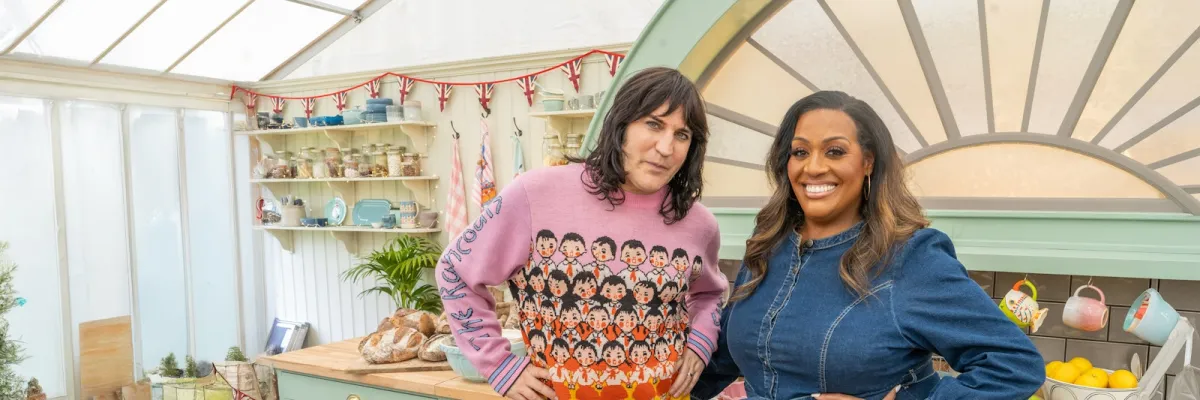 Photo: The Great British Bake Off, via play-images-prod-ctf.tech.tvnz.co.nz
Pedagogies of Gentleness
The educational function of comfort television operates through what might be called "stealth pedagogy"—learning that occurs without the formal structures that traditionally signal educational content. Programmes like "Grayson Perry's Art Club" or "Pottery Throw Down" teach technical skills whilst simultaneously modelling ways of being in the world: curiosity without competitiveness, expertise without condescension, creativity as collaboration rather than individual expression.
This approach has particular significance in a cultural moment where formal educational institutions are increasingly viewed with suspicion. The cosy television format bypasses these institutional associations whilst delivering genuinely sophisticated cultural education. Viewers learn about art history, craft traditions, and cultural practices through formats that feel like entertainment rather than instruction.
The political implications are significant. When Grayson Perry discusses gender identity whilst teaching ceramic techniques, or when "The Great British Sewing Bee" features contestants from diverse backgrounds sharing textile traditions, these programmes are conducting cultural work that might be impossible in more explicitly political contexts.
The Commons of Care
What distinguishes British comfort television from its international equivalents is its particular relationship to ideas of care and collective responsibility. These programmes consistently model communities where expertise is shared rather than hoarded, where mistakes are learning opportunities rather than failures, and where individual achievement serves collective wellbeing.
This vision of social organisation offers a stark contrast to the competitive individualism that dominates other areas of British media. The baking tent becomes a space where mutual support produces better outcomes than rivalry, where diverse perspectives strengthen rather than threaten community cohesion, and where traditional skills can be preserved whilst remaining open to innovation.
The political subtext is unmistakable: these programmes are demonstrating alternative ways of organising social relations, alternative definitions of value and success, alternative approaches to difference and diversity. They're conducting experiments in social possibility disguised as entertainment.
Heritage as Living Practice
Perhaps most significantly, comfort television has revolutionised how British culture approaches its own history. Rather than treating heritage as museum piece, these programmes present tradition as living practice—something that can be learned, adapted, and transmitted without being fossilised.
Programmes like "Antiques Roadshow" or "Flog It!" have evolved to include more sophisticated discussions about the colonial origins of objects, the labour conditions that produced historical crafts, and the social hierarchies embedded in material culture. These conversations happen alongside rather than instead of appreciation for craftsmanship and historical significance.
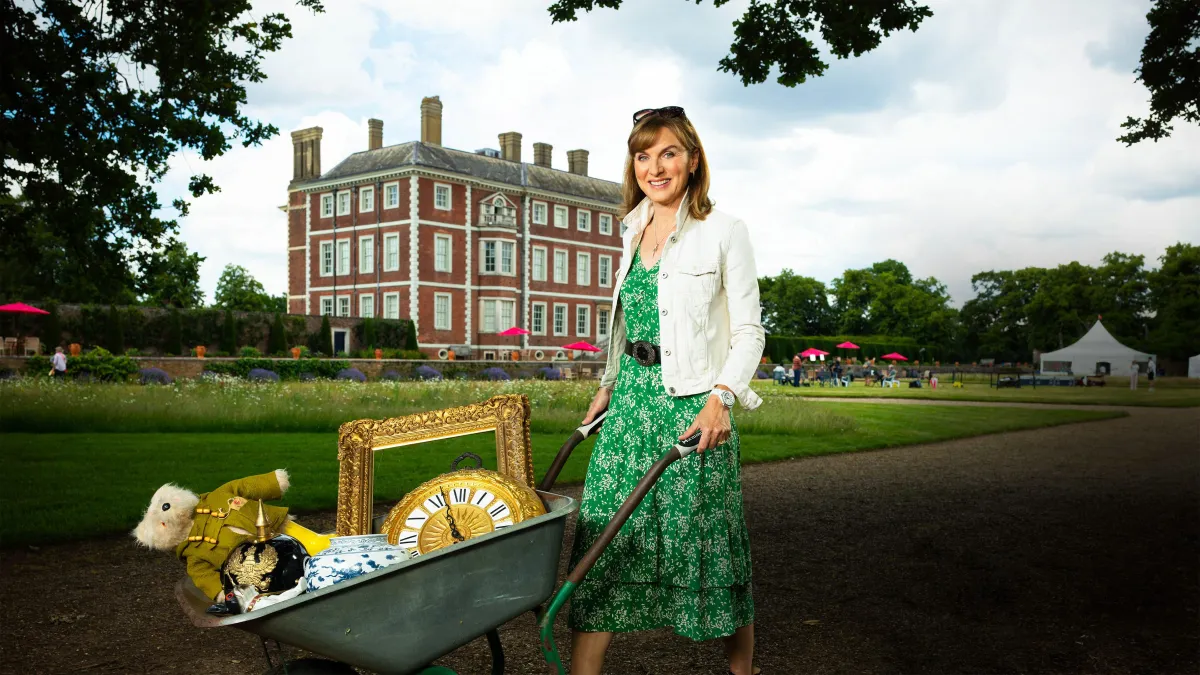 Photo: Antiques Roadshow, via cdn.iview.abc.net.au
This approach allows audiences to maintain affection for cultural traditions whilst developing more complex understanding of their origins and implications. It's a more sophisticated model for heritage engagement than either uncritical celebration or wholesale rejection.
The Radical Ordinary
The genius of comfort television lies in its recognition that radical ideas are often more palatable when presented through familiar frameworks. By embedding challenging concepts within the aesthetics of domesticity, these programmes can explore questions about national identity, social organisation, and cultural value without triggering the defensive responses that more confrontational approaches might provoke.
This strategy has particular relevance for contemporary British politics, where direct challenges to established narratives often produce polarisation rather than reflection. Comfort television offers an alternative model: change through accretion rather than confrontation, transformation through gradual shifts in what feels normal rather than dramatic reversals of established order.
Beyond the Baking Tent
The influence of comfort television extends far beyond its immediate audience. The programmes have created new vocabularies for discussing community, expertise, and cultural value that are being adopted across other media forms. The model of gentle authority, collaborative learning, and inclusive excellence pioneered in these formats is influencing everything from educational practice to political communication.
More importantly, comfort television has demonstrated that British audiences have appetite for sophisticated cultural conversation when it's presented through appropriate frameworks. The success of these programmes suggests that the perceived anti-intellectualism of British popular culture may be more about format than fundamental disinterest in complex ideas.
As traditional institutions of cultural authority—universities, museums, established media—face increasing challenges to their legitimacy, the gentle pedagogies pioneered by comfort television offer alternative models for cultural transmission. The teapot and the pottery wheel may prove more effective vehicles for social change than the lecture hall or the editorial column.